Biomass fuel
for the neighboring power plant
Are converted into high-quality biomass fuel
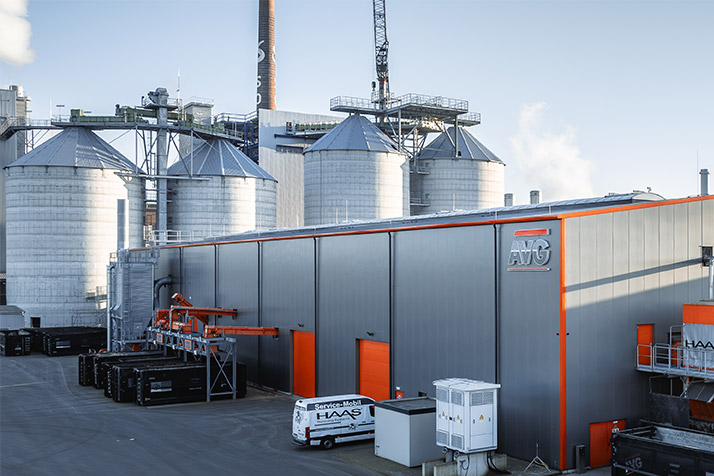
Waste wood in grades A-C is processed into high-quality biomass fuel for a neighboring biomass power plant.
for the neighboring power plant
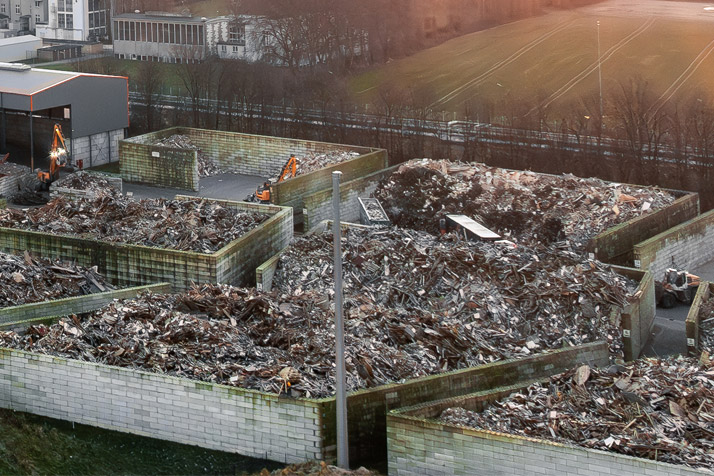
processed each year
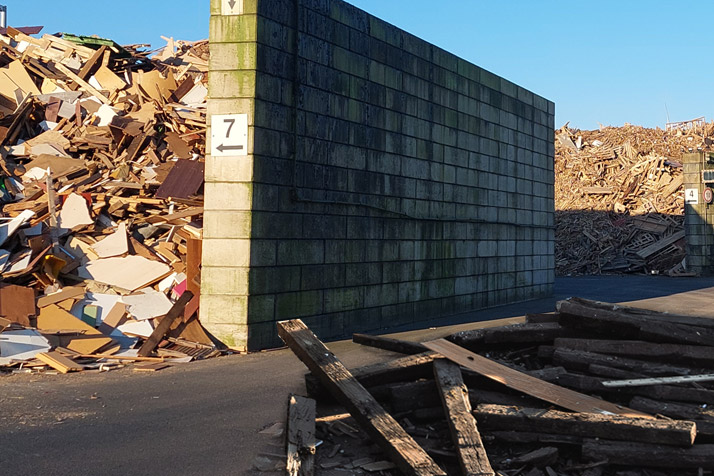
A-C
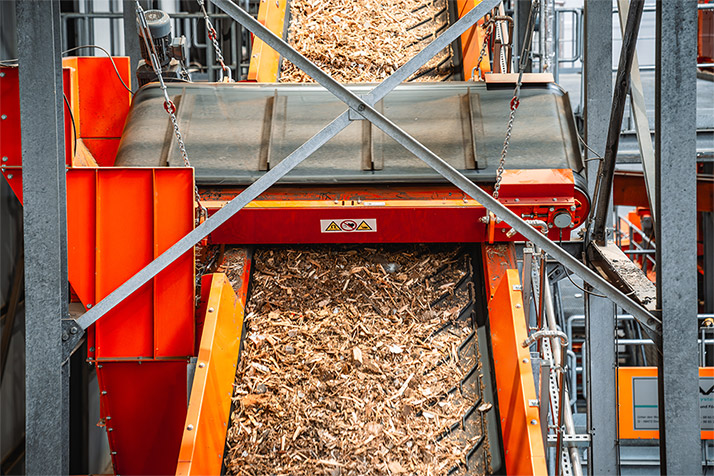
through material stream separation
AVG must process approximately 300,000 tonnes of waste wood annually in a reliable and controlled manner while meeting defined requirements for particle size and fuel quality. The processing line is designed for a throughput of at least 60 tonnes per hour. Key requirements include dependable shredding, classification, and impurity separation to efficiently remove metals and other foreign materials. This ensures the production of a homogeneous, low-contaminant fuel that supports efficient power plant operation.
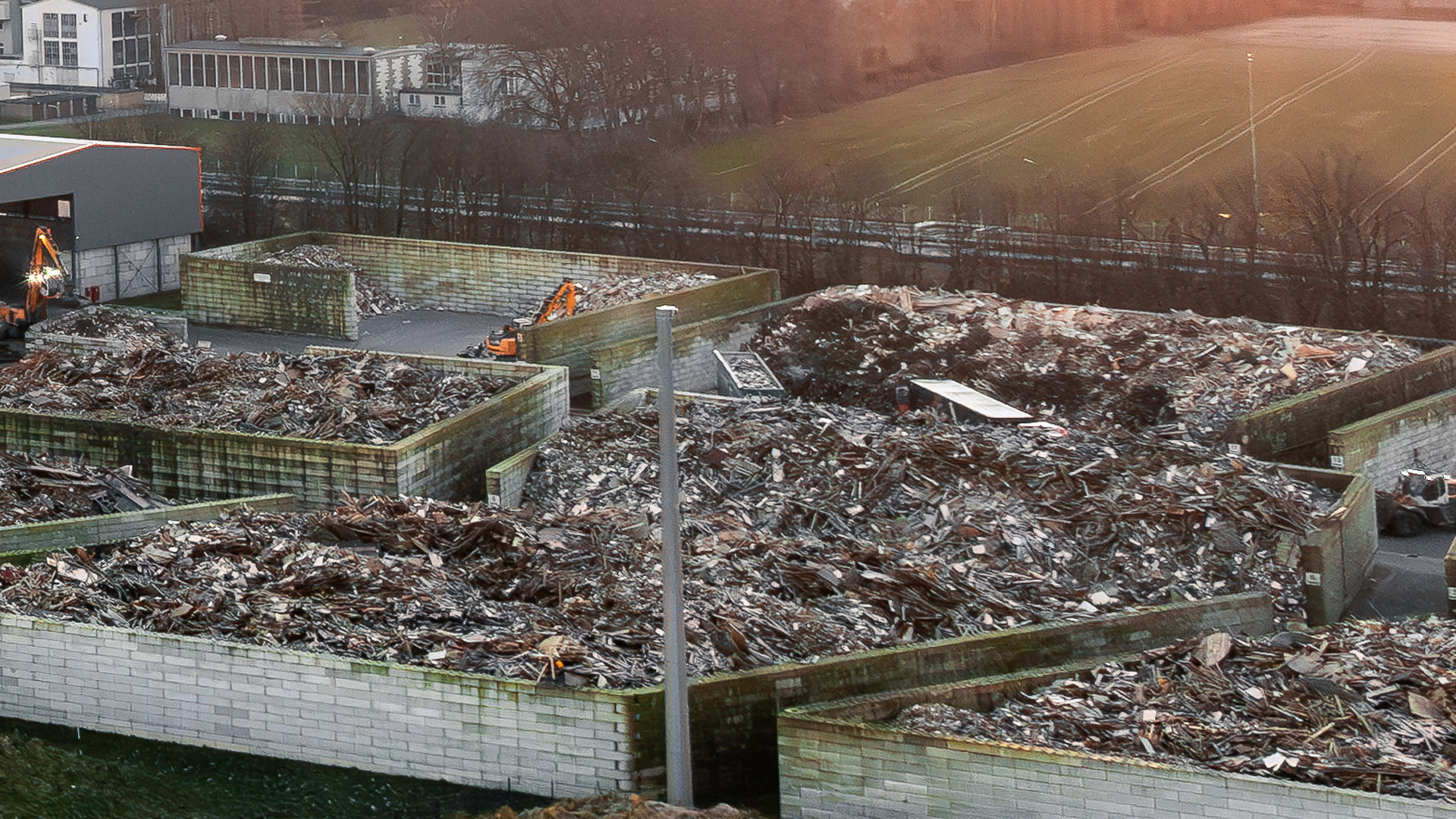
The video shows the processing of waste wood into a specific type of biomass fuel – from the feed-in of the material through the individual process stages to the finished fuel fraction.
Customized Process Solution
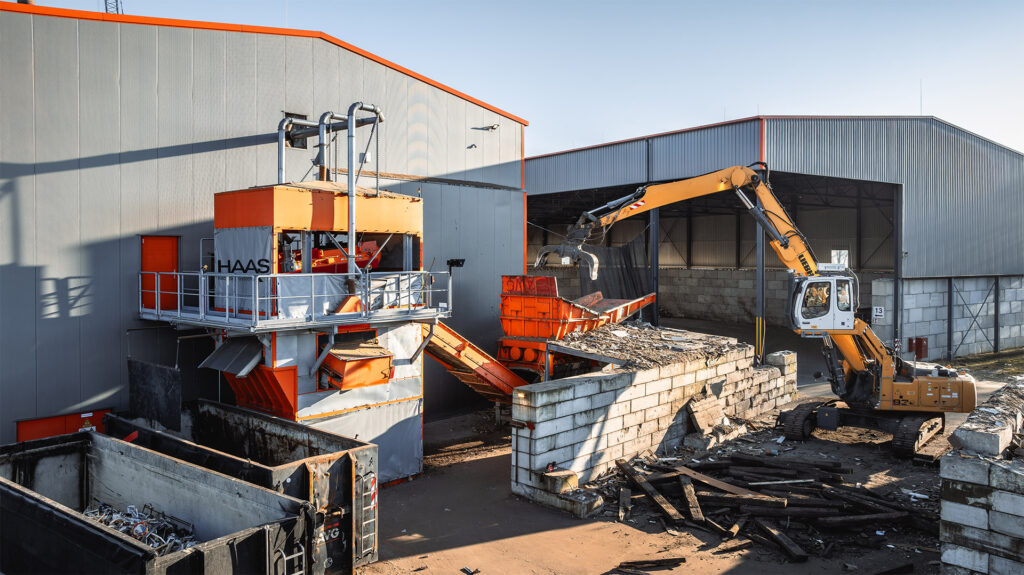
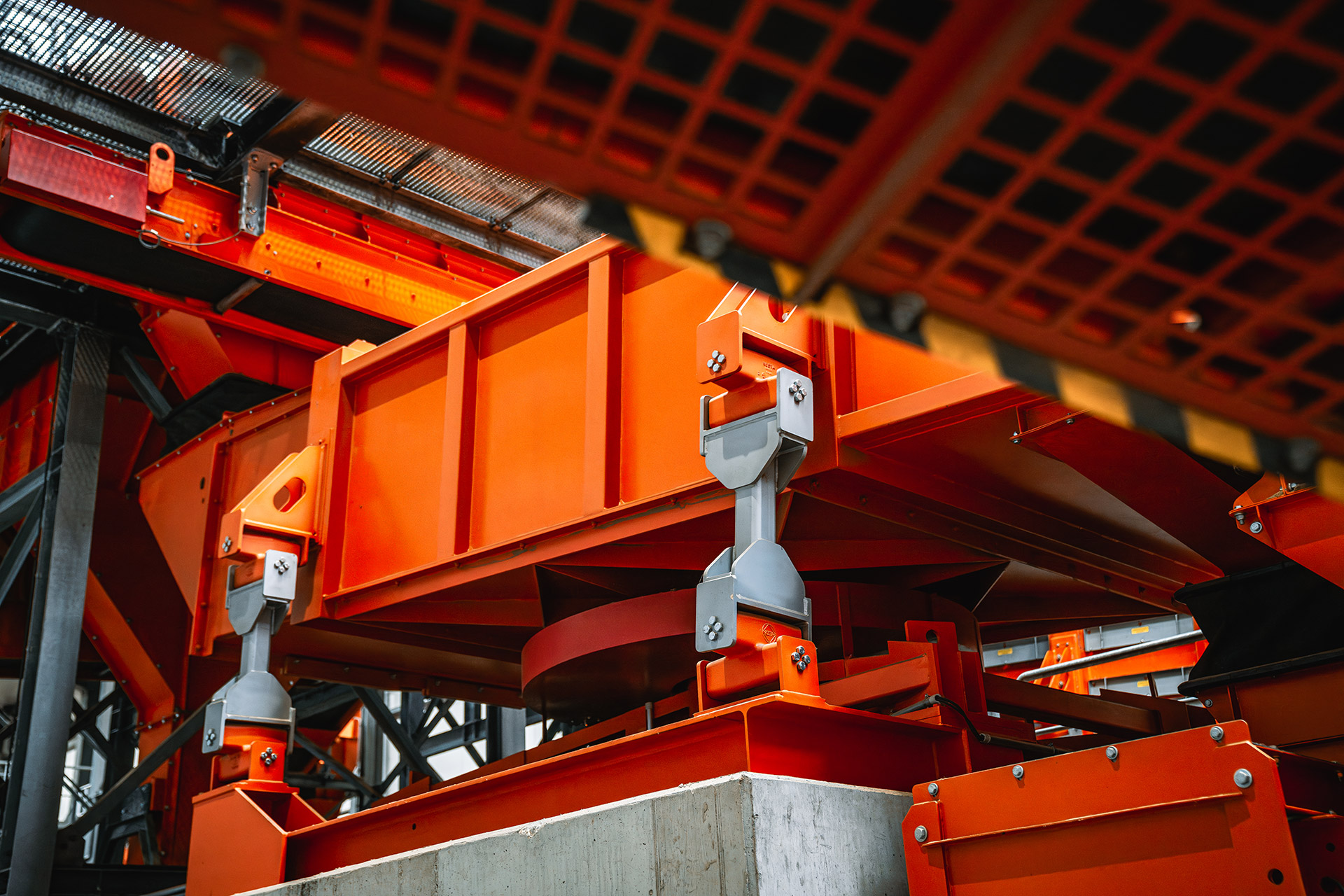
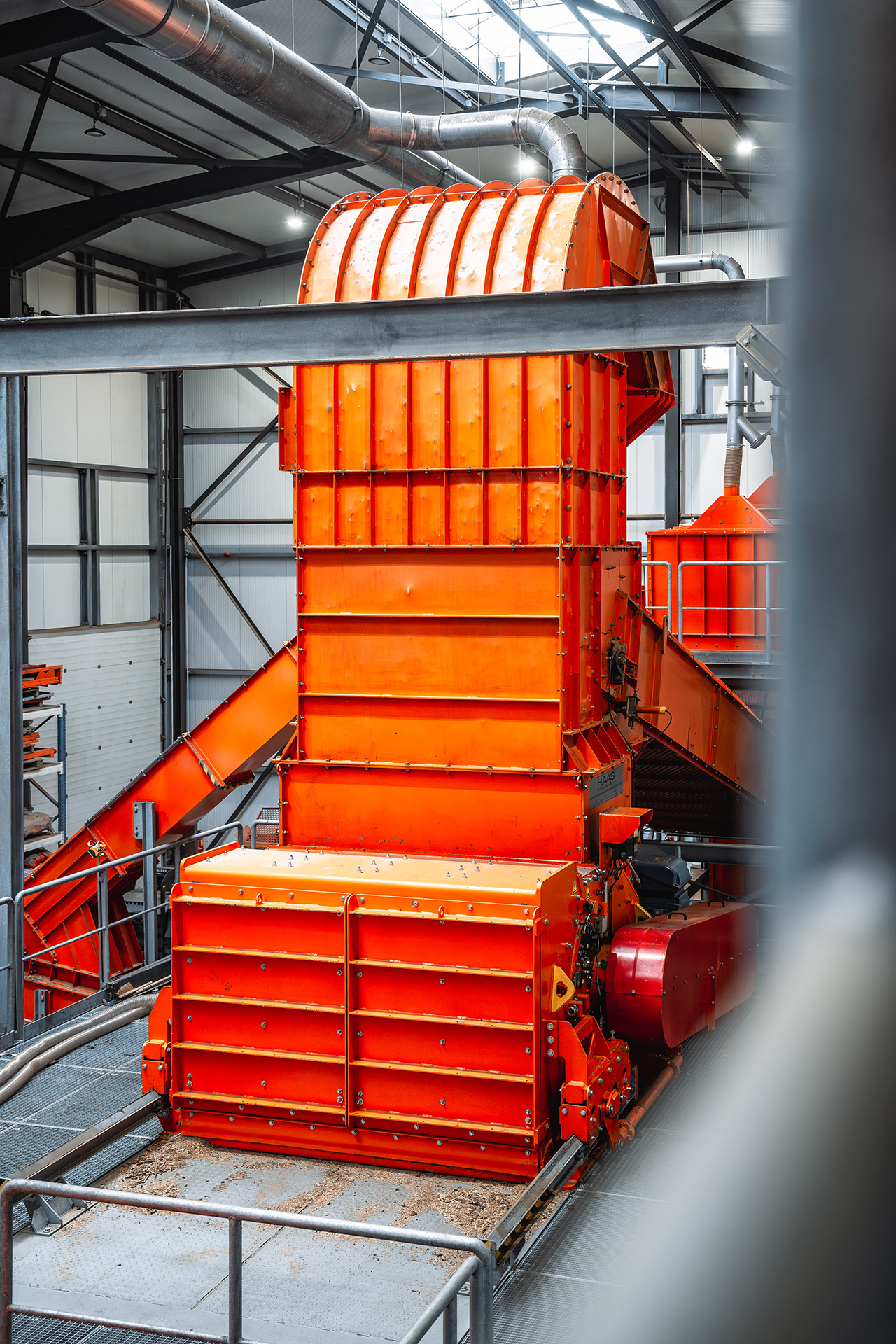
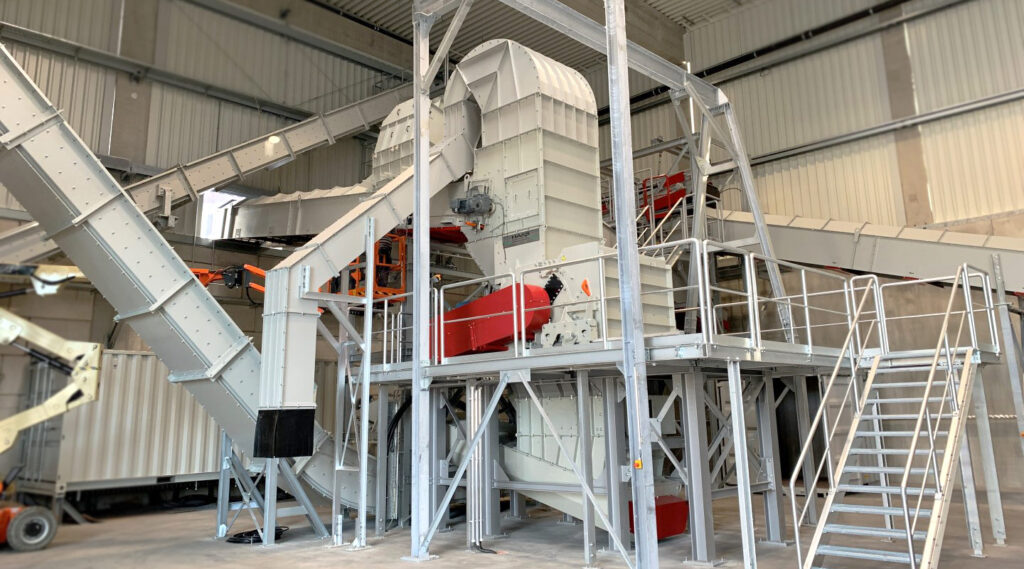
The HAAS TYRON 2500, the largest primary shredder in the product range, reduces untreated waste wood to a particle length of less than 300 mm.
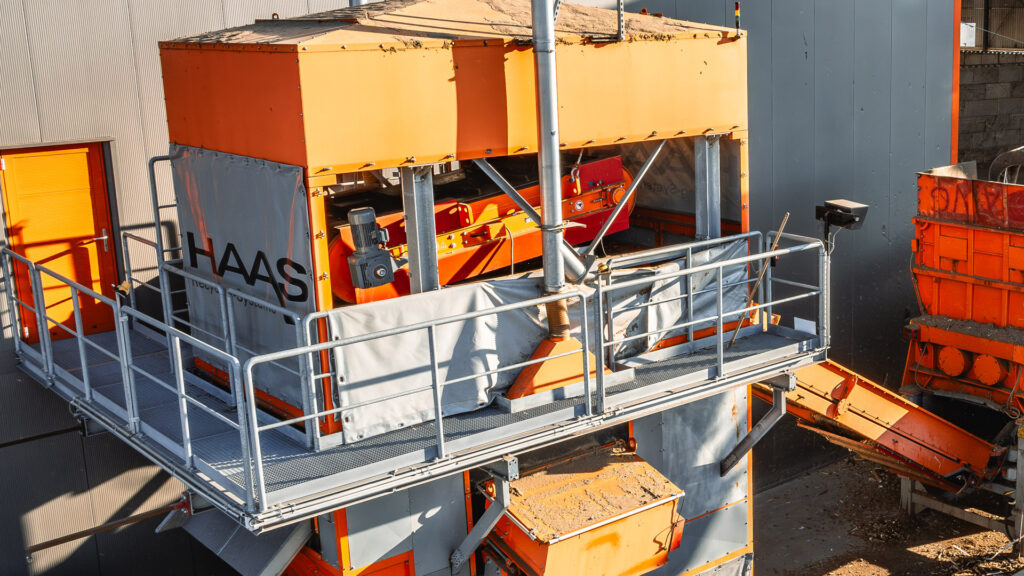
The enclosed electromagnet removes large ferrous metal parts released during the primary shredding process from the material stream.
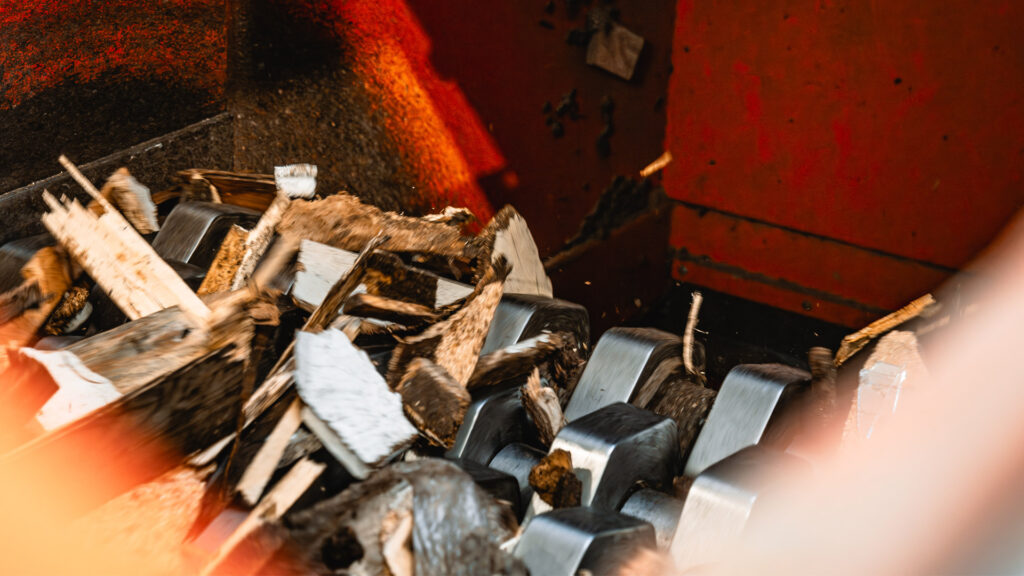
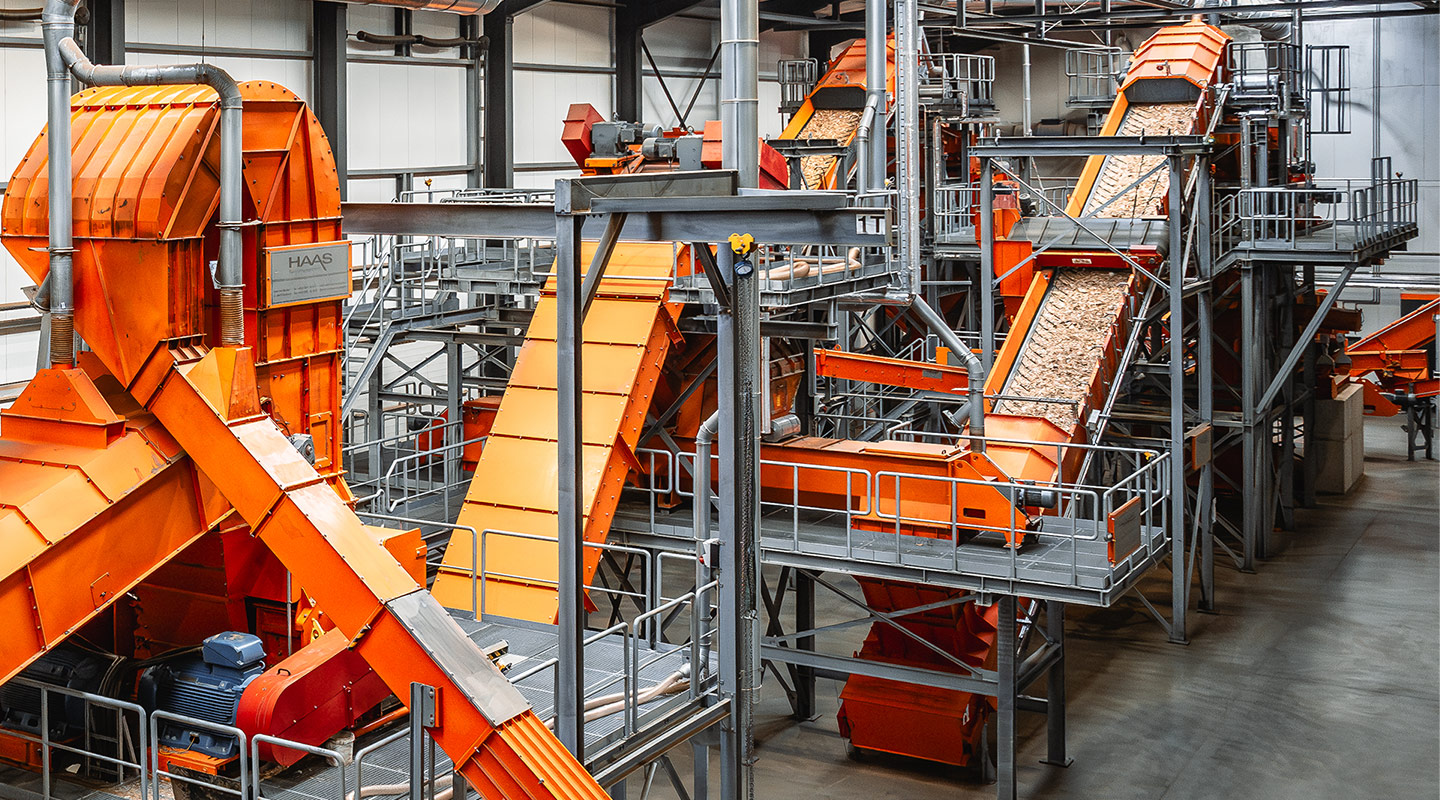
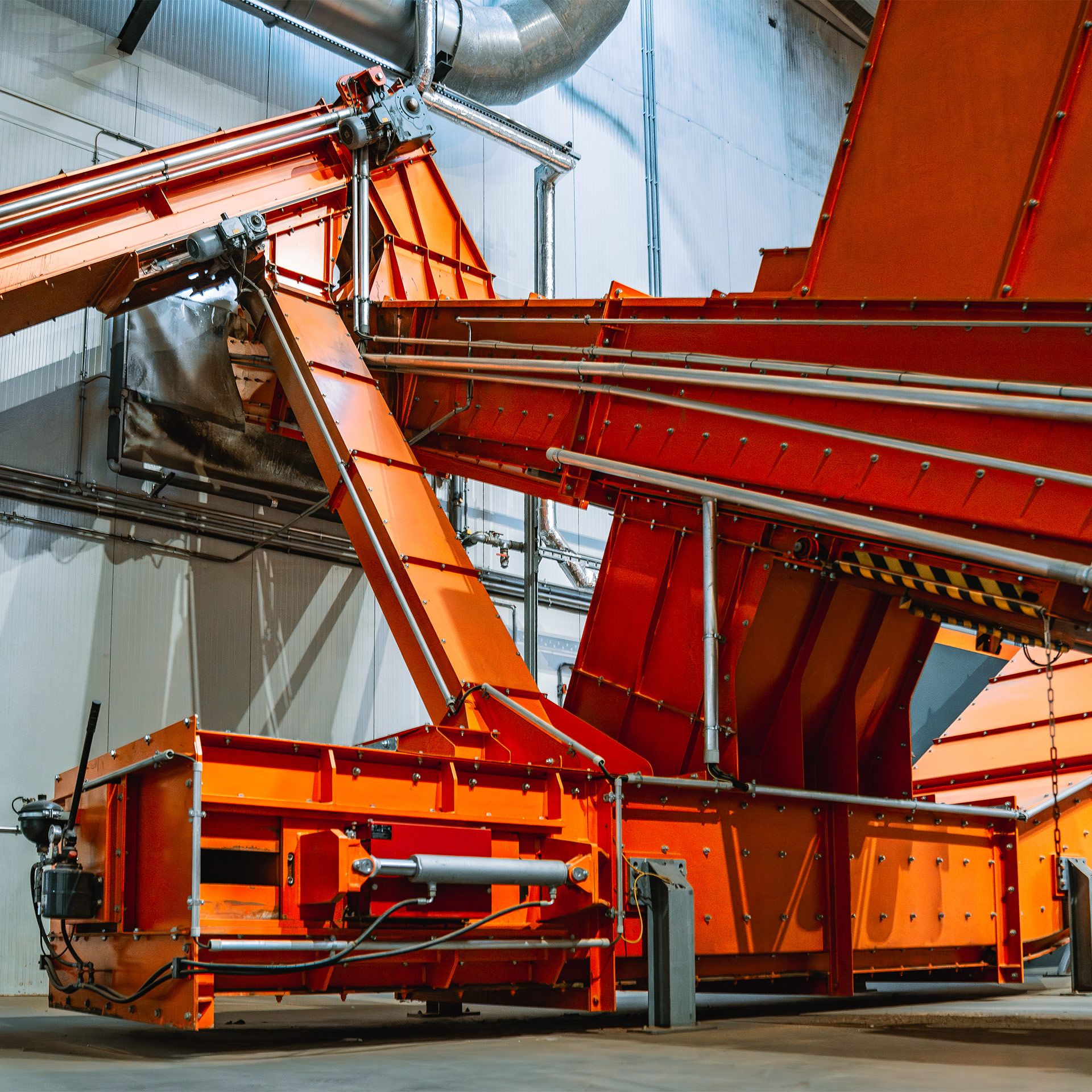
The pre-shredded material is separated into two fractions:
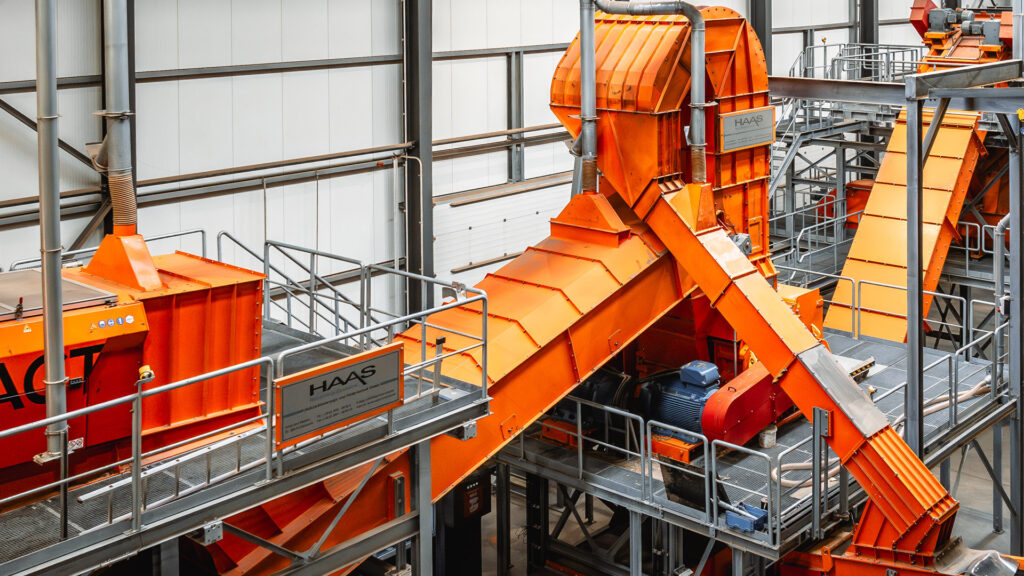
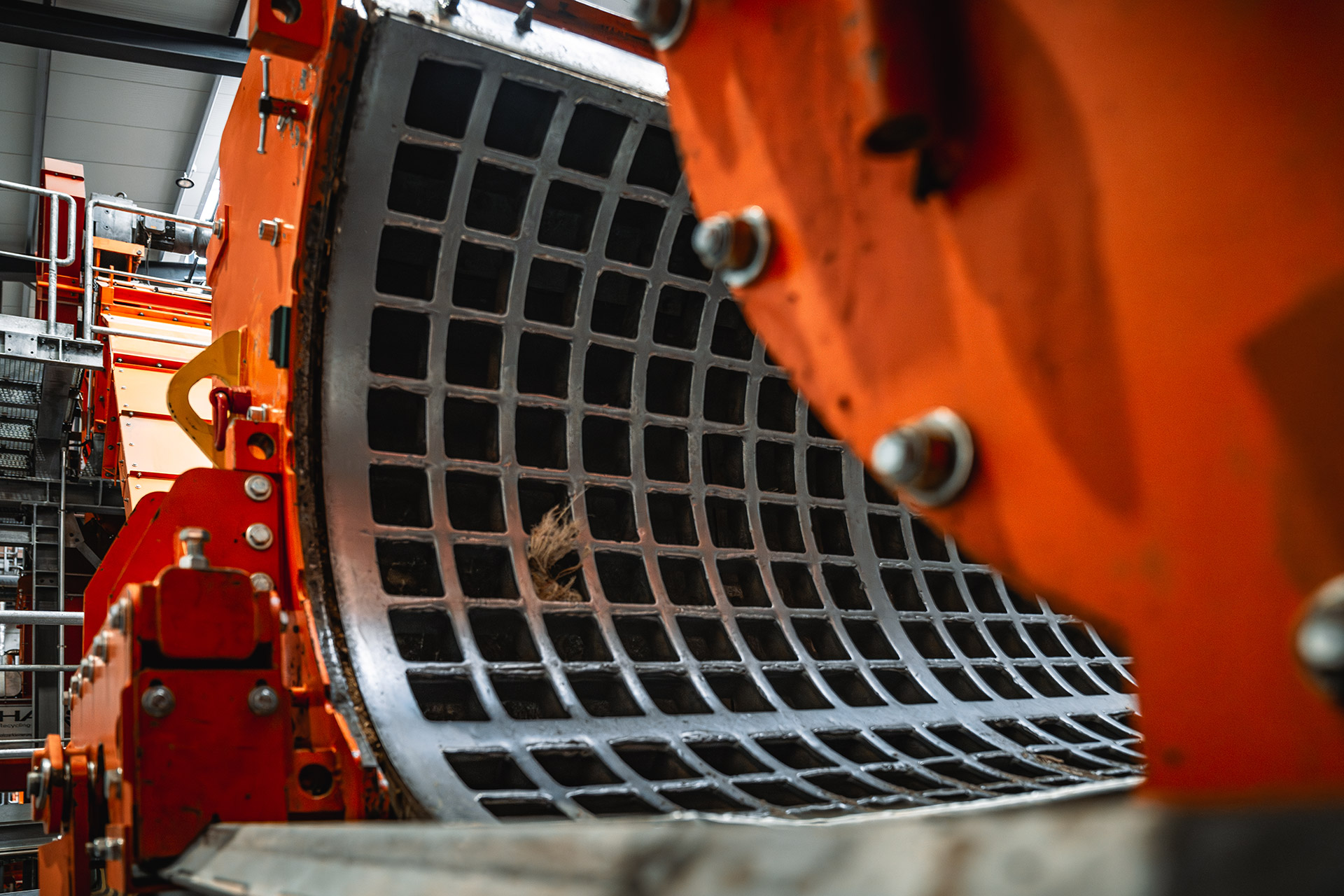
The ARTHOS hammermill processes up to 400 m³ of wood chips per hour to a particle size of less than 100 mm. Large foreign bodies are automatically ejected via the ballistic discharge system.
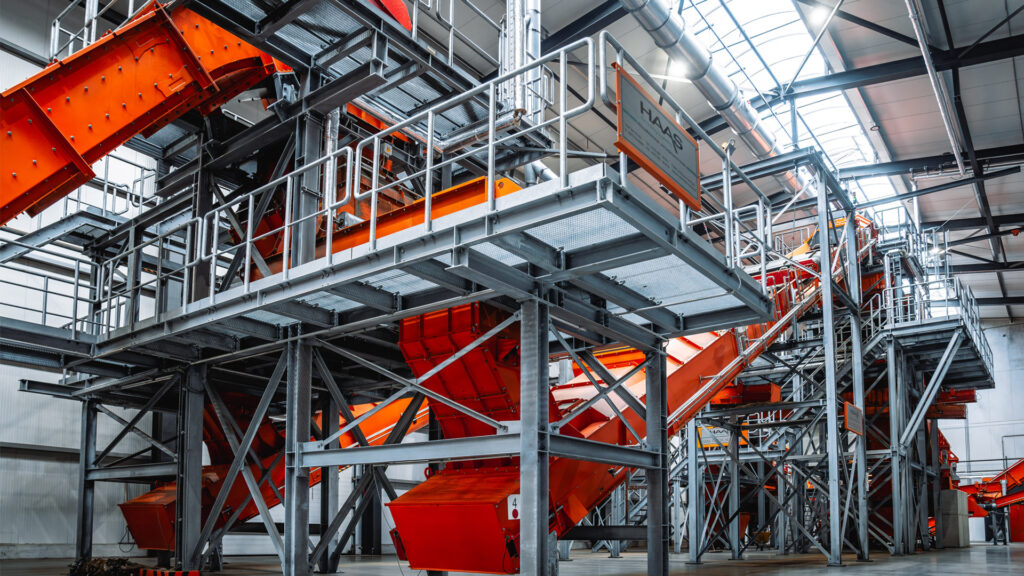
To ensure uniform utilization of the downstream metal separation and screening systems, the material stream is divided between two processing lines.
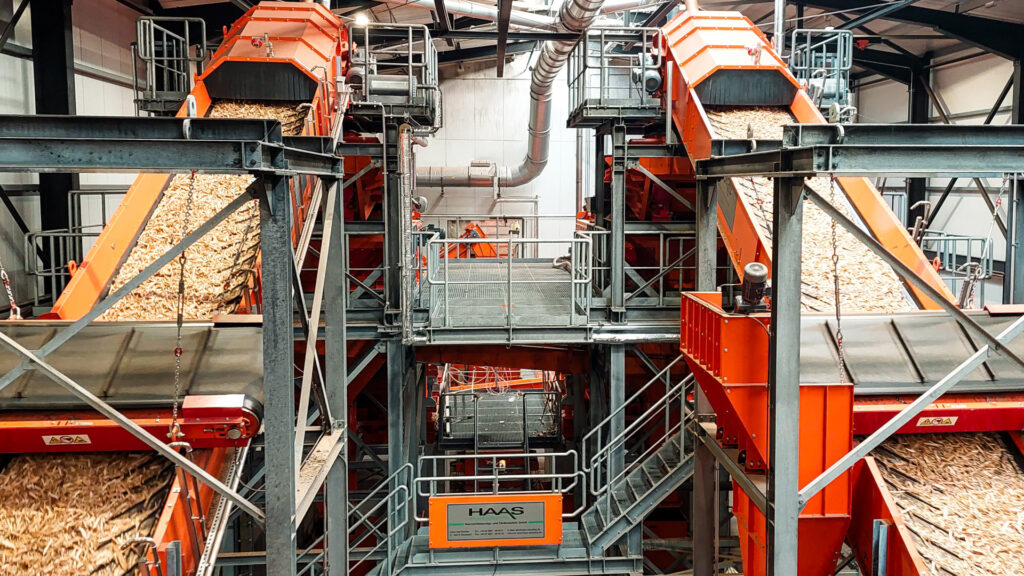
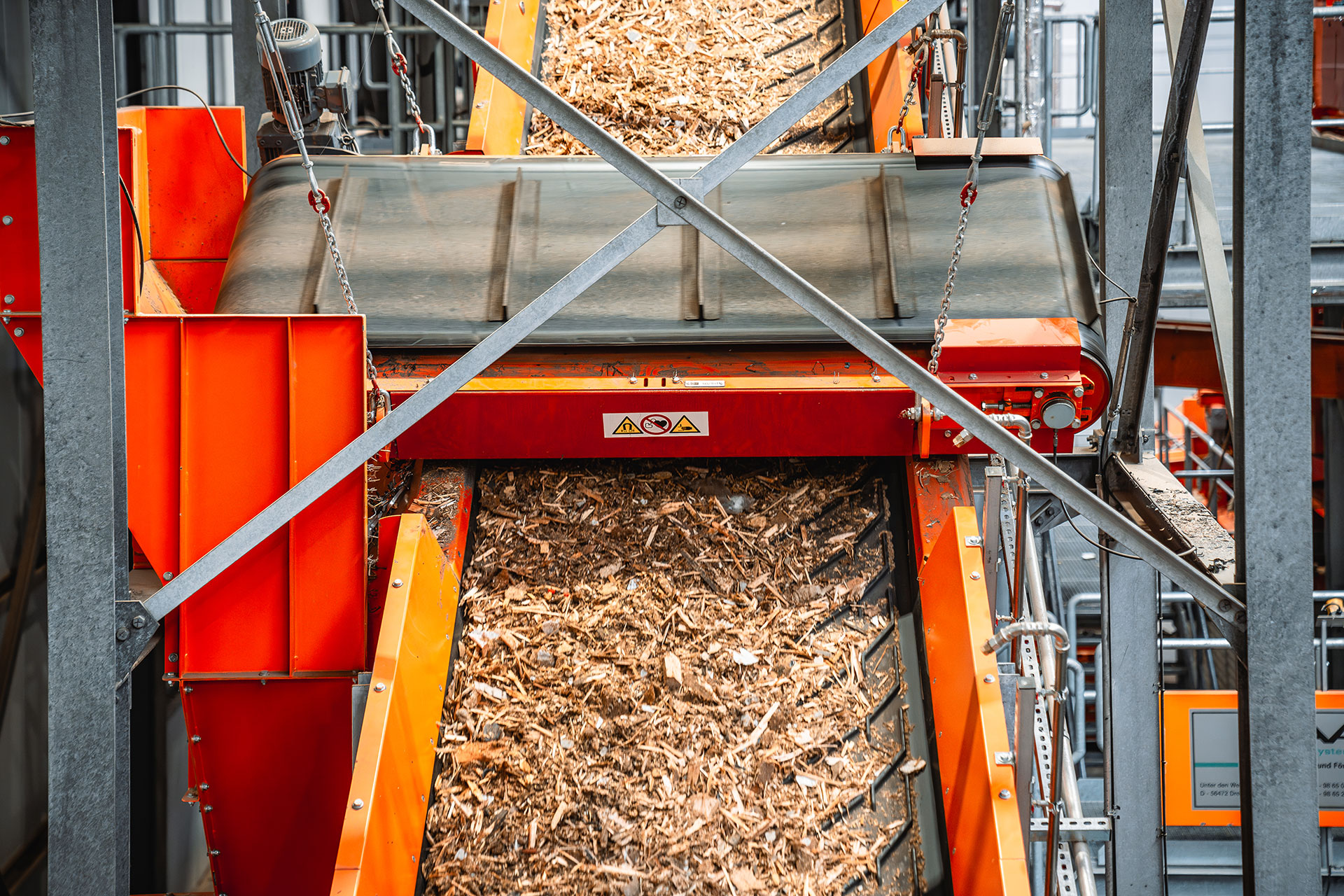
Overband magnets remove additional ferrous metals from the material stream.
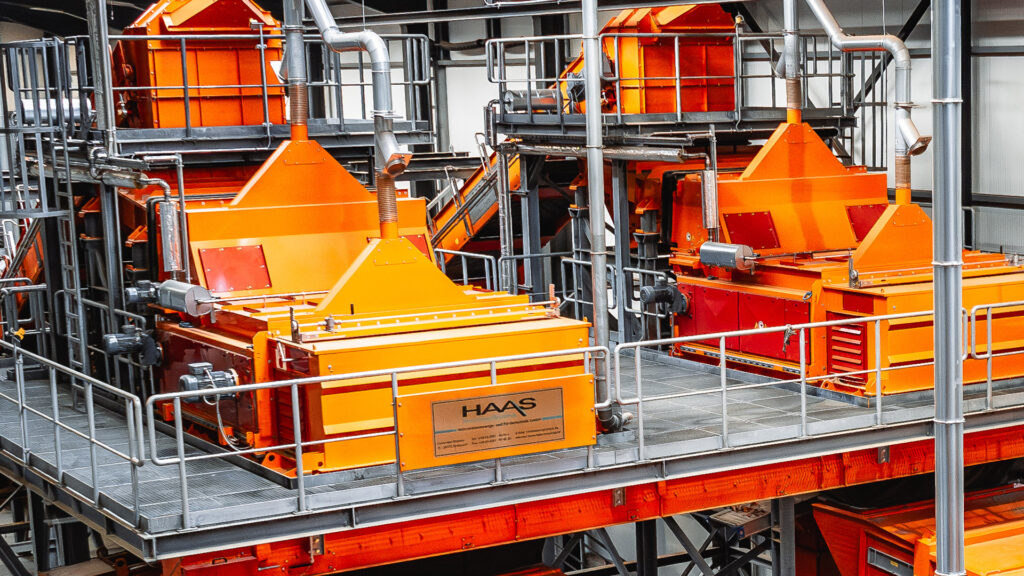
Eddy current separators remove the remaining non-ferrous metals.
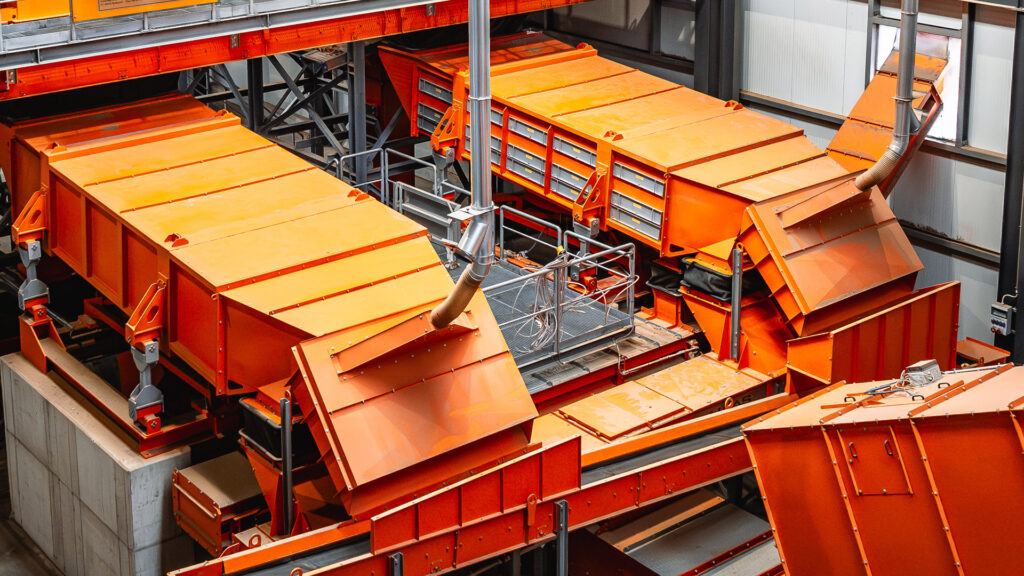
Screening units separate the cleaned wood into three particle-size fractions:
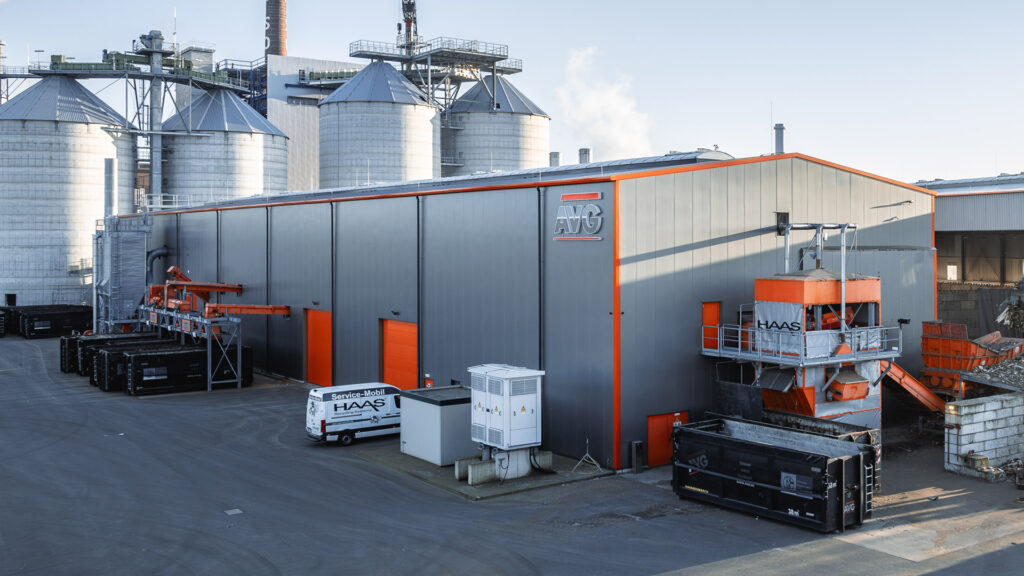
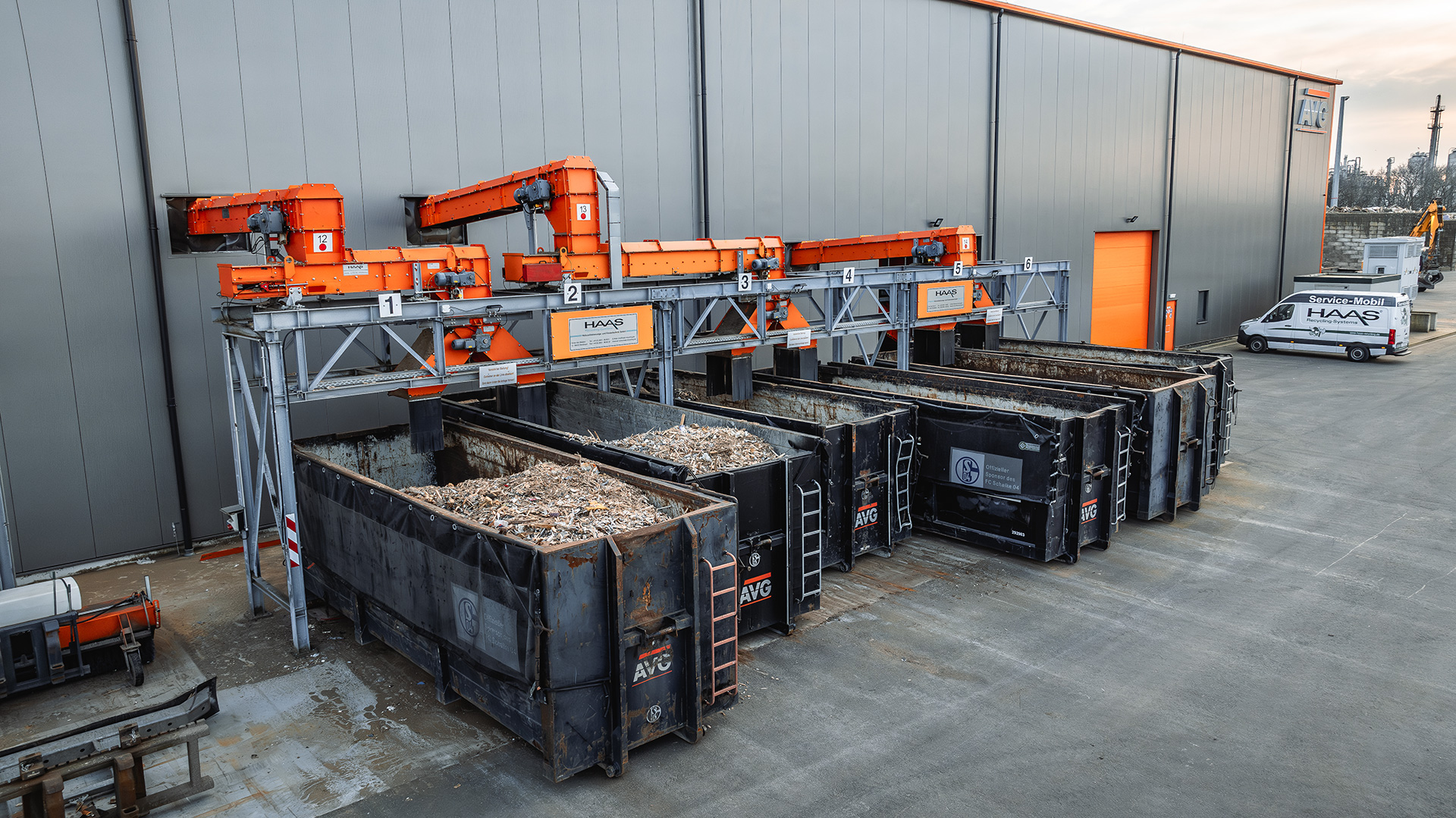
The finished biomass fuel is conveyed into the existing storage silos of the power plant operator.
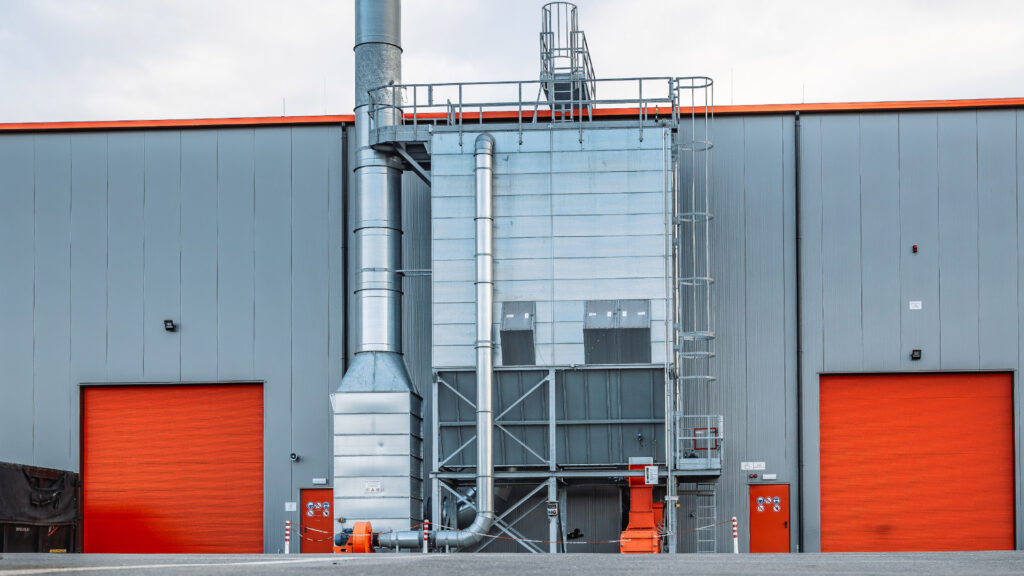
A filtration system extracts the generated wood dust at a capacity of more than 45,000 m³/h, reducing dust emissions.
Selected Plant Projects
Successfully Implemented Processing Plants
Every HAAS plant is developed based on specific customer requirements.
The following project examples illustrate how different materials, throughput capacities, and site conditions have been transformed into practical and efficient solutions.
Upon request, we can also provide insights into existing reference plants and support you with personal consultation on the path to the right solution.
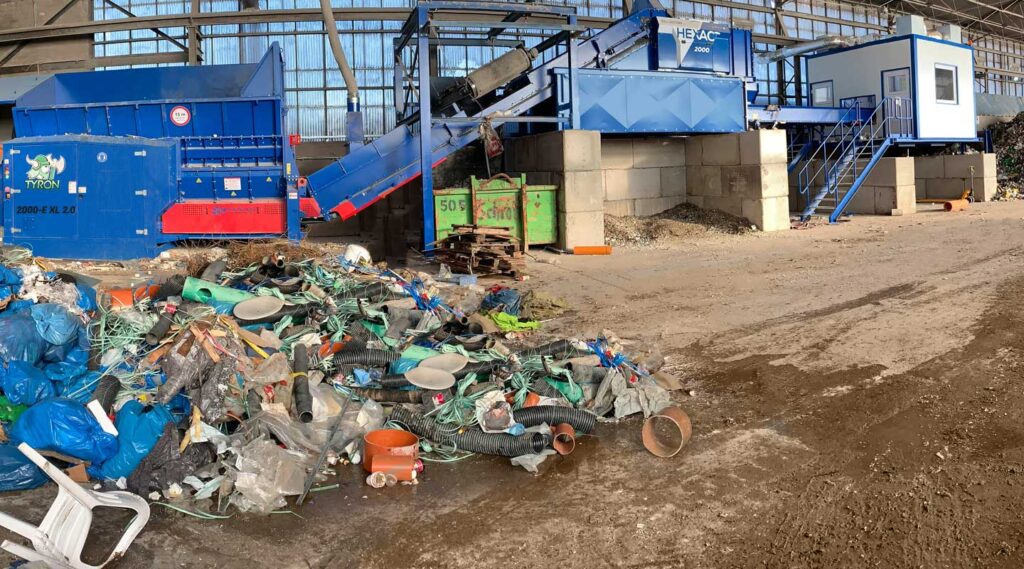
Commercial Mixed Waste
Processing into refuse-derived fuel (RDF)
Variable material streams are processed into a consistent refuse-derived fuel with stable quality.
→ Throughput up to approx. 20 t/h
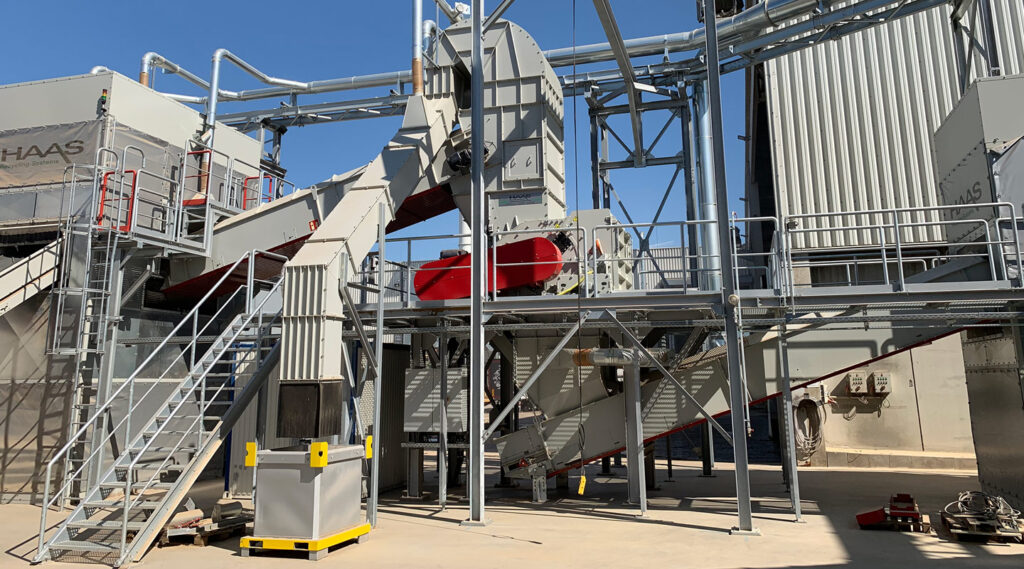
Low-Dust Processing
For sensitive operating environments
The enclosed plant design reduces dust and emissions while ensuring stable process conditions.
→ Suitable for sensitive outdoor environments
Flexible Processing Routes
For different recovery and utilization requirements
The plant concept makes it possible to adapt material streams to different processing and recovery objectives.
→ Partial operation of individual processing lines possible